Artificial Intelligence has moved beyond experimentation and entered a phase of large-scale adoption. In 2026, AI is no longer just a supporting technology—it is the backbone of the modern tech industry. From software development to customer experience and decision-making, AI is redefining how technology companies operate, innovate, and scale.
This rapid evolution is changing business models, workforce requirements, and even how products are designed and delivered.
AI as the Core of Digital Transformation
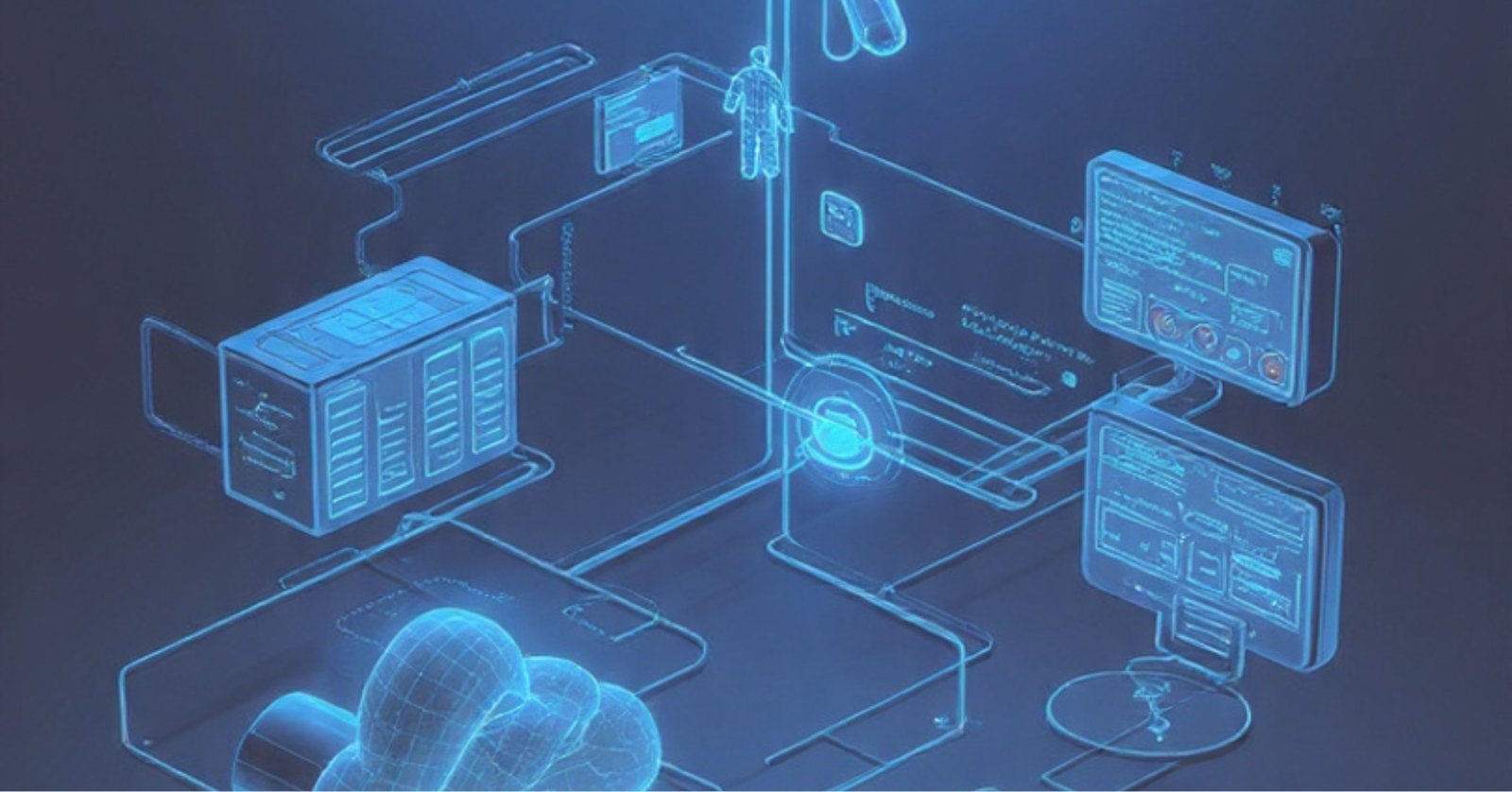
In 2026, digital transformation is impossible without AI. Tech companies are embedding machine learning, natural language processing, and predictive analytics into every layer of their systems. AI now handles data analysis, performance optimization, and real-time decision-making at speeds no human team can match.
Cloud platforms increasingly rely on AI to manage workloads, detect inefficiencies, and automate infrastructure scaling. This has reduced operational costs while increasing system reliability.
AI-Driven Software Development
Software development has undergone a major shift. AI-powered coding assistants can now write, test, debug, and optimize code in real time. Developers focus more on architecture and innovation, while AI handles repetitive and error-prone tasks.
Low-code and no-code platforms powered by AI allow startups and non-technical teams to build applications quickly, lowering entry barriers and accelerating innovation across the tech industry.
Automation and Workforce Evolution
AI is reshaping tech jobs rather than replacing them entirely. Routine tasks such as system monitoring, data entry, and quality assurance are now automated. This allows professionals to focus on strategic thinking, creative problem-solving, and ethical AI governance.
In 2026, demand is rising for AI engineers, data scientists, prompt engineers, and AI ethicists. Companies investing in reskilling their workforce are gaining a competitive advantage.
Smarter Products and Personalized Experiences
AI enables hyper-personalization at scale. Tech products now adapt to user behavior, preferences, and usage patterns in real time. From AI-powered SaaS tools to consumer apps, personalization improves engagement, retention, and customer satisfaction.
Recommendation engines, smart interfaces, and conversational AI are becoming standard features rather than premium add-ons.
Ethical AI and Responsible Innovation
With AI deeply embedded in the tech industry, ethical concerns have become central. In 2026, responsible AI development is a business necessity. Companies are prioritizing transparency, bias reduction, and compliance with global AI regulations.
Tech leaders who build trust through ethical AI practices are gaining long-term credibility and customer loyalty.
The Competitive Advantage of AI Adoption
AI-driven companies are outperforming competitors in speed, accuracy, and scalability. Predictive analytics help businesses anticipate market trends, customer needs, and potential risks before they occur.
For tech companies in 2026, AI adoption is no longer optional—it is essential for survival and growth.
Conclusion
Artificial Intelligence is shaping the future of the tech industry by redefining how products are built, how teams work, and how businesses compete. As AI continues to evolve, companies that embrace innovation, ethical responsibility, and continuous learning will lead the tech industry into a smarter and more efficient future.